
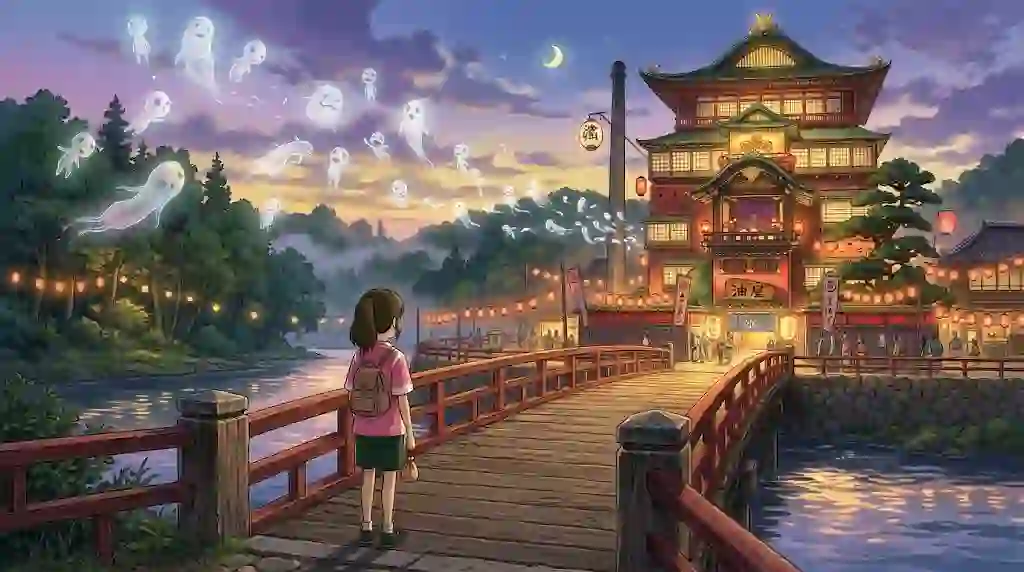
What if a single animated film could change how you view childhood, courage, and the spirit world forever? That’s exactly what Spirited Away did when it quietly rewrote cinema history. More than two decades later, people still argue about its hidden meanings, and fans keep uncovering layers Hayao Miyazaki buried deep inside every frame.
If you’ve ever watched Spirited Away and felt something shift inside you, you’re not alone. This article pulls back the curtain on the secrets, symbolism, and strange real-world inspirations behind the most beloved Studio Ghibli masterpiece. Stick around, because the final secret genuinely surprises most lifelong fans.
Why Spirited Away Still Dominates Anime in 2026
Spirited Away isn’t just an anime film, it’s a cultural event that refuses to age. Released in 2001, it became the first non-English film to win the Academy Award for Best Animated Feature. That record alone speaks volumes about its universal pull.
The magic of Spirited Away lies in its ability to feel personal to every viewer. Kids see a girl saving her parents. Adults see a brutal commentary on greed, identity loss, and growing up. That dual appeal is why Spirited Away still outperforms modern blockbusters in rewatch value.
Streaming platforms report Spirited Away as one of the top-replayed animated films on HBO Max and Netflix regions worldwide. Even Gen Z, raised on CGI spectacles, keeps rediscovering this hand-drawn gem.
The Real Story Behind Spirited Away’s Creation
Miyazaki’s Promise to a Little Girl
Spirited Away began with a promise. Hayao Miyazaki wanted to make a film for his friend’s 10-year-old daughter, something she could actually relate to. He felt existing animations ignored young girls as real heroes.
That’s why Chihiro isn’t flawless or brave at first. She whines, trips, and panics, just like a real child. Miyazaki designed her messy humanity on purpose, and that honesty is what makes audiences cry even now.
The Bathhouse Was Inspired by Real Places
The glowing bathhouse in Spirited Away wasn’t pulled from imagination alone. Miyazaki drew inspiration from Dogo Onsen in Japan and the Edo-Tokyo Open Air Architectural Museum. These real locations now attract millions of Spirited Away pilgrims every year.
Tourism boards credit the film with reviving interest in traditional Japanese bathhouse culture. That’s rare power for an animated movie.
7 Hidden Secrets Inside Spirited Away
Here are the deepest secrets most casual viewers of Spirited Away miss on first watch:
- The name theft is spiritual slavery — Yubaba steals names to erase identity, a direct metaphor for losing yourself in corporate work culture.
- No-Face represents modern loneliness — He mimics others because he has no self, a chilling symbol of social media behavior.
- Chihiro’s parents turning into pigs — A sharp jab at Japan’s 1980s bubble economy and consumer greed.
- Haku’s river backstory — Based on real rivers Miyazaki saw being paved over, highlighting environmental loss.
- Zeniba represents healing wisdom — She’s Yubaba’s twin, showing good and evil live in the same shape.
- Chihiro never looks back — Miyazaki’s rule for growing up: moving forward without clinging to the past.
Spirited Away by the Numbers: Shocking Stats
Spirited Away’s commercial and cultural dominance is backed by jaw-dropping data. Below is a quick snapshot of why this film remains untouchable in the anime world.
| Category | Details |
| Release Year | 2001 |
| Director | Hayao Miyazaki |
| Studio | Studio Ghibli |
| Worldwide Box Office | $395+ million |
| Japan Box Office Record | Held #1 for 19 years |
| Oscar Win | Best Animated Feature (2003) |
| Rotten Tomatoes Score | 97% |
| IMDb Rating | 8.6/10 |
| Production Budget | $19 million |
| Runtime | 125 minutes |
The numbers reveal something incredible. Spirited Away cost just $19 million to make but earned over 20 times that globally. In a modern era where Disney spends $200 million per film, Ghibli’s efficiency feels almost magical.
Hayao Miyazaki: The Mind Behind Spirited Away
A Life Shaped by War and Wonder
Hayao Miyazaki was born in Tokyo in 1941, during World War II. His childhood memories of destruction and nature deeply shaped the themes in Spirited Away. He saw beauty and brutality coexist, and his films reflect that balance.
He joined Toei Animation in 1963 as a young artist. His obsession with detail, nature, and strong female leads became the Ghibli trademark fans worship today.
The Perfectionist Who Draws Every Frame
Miyazaki is famous for personally correcting thousands of animation frames. For Spirited Away, he reviewed over 112,000 individual drawings. That obsessive craft is why every scene feels alive.
He once scrapped an entire storyline halfway through production because it felt dishonest. That’s the kind of integrity modern studios rarely show.
Quick Facts About Hayao Miyazaki
| Fact | Detail |
| Born | January 5, 1941 |
| Birthplace | Bunkyō, Tokyo, Japan |
| Studio Co-founded | Studio Ghibli (1985) |
| Famous Films | Spirited Away, Totoro, Princess Mononoke |
| Honorary Oscar | 2014 |
| Status | Still active, working on new projects |
Why Spirited Away Speaks to Every Generation
Spirited Away works because it refuses to talk down to its audience. Miyazaki trusts viewers, young or old, to feel instead of being spoon-fed. That respect is rare in animation today.
The film also skips the typical villain-defeat formula. There’s no final boss battle, no sword fight, no explosion. Chihiro wins by remembering who she is, which is a far more powerful message.
Parents watching Spirited Away with their kids often report emotional conversations afterward. The movie opens doors to discussions about work stress, courage, and letting go, topics most cartoons avoid entirely.
Final Verdict on Spirited Away
Spirited Away isn’t just a film you watch, it’s a film that watches you back. Each rewatch unlocks something new, whether you’re 10 or 50. That’s the real magic Miyazaki quietly stitched into every frame.
Pay attention to the small details, the silent moments, and Chihiro’s eyes. You’ll walk away reminded of something you forgot you knew about yourself.